Parental based tagging (PBT) studies on Chinook Salmon
Sacramento River Science Partnership
A voluntary science enterprise established to inform joint learning on species recovery and water management on the main stem of the Sacramento River. Sacramento River Science Group was formed in 2018, to establish and maintain a science enterprise for voluntary collaborative research, modeling, monitoring, and synthesis relevant to salmonid and other in-river species recovery and water management on the main stem Sacramento River to facilitate joint learning and fact-finding between and among scientists and managers.
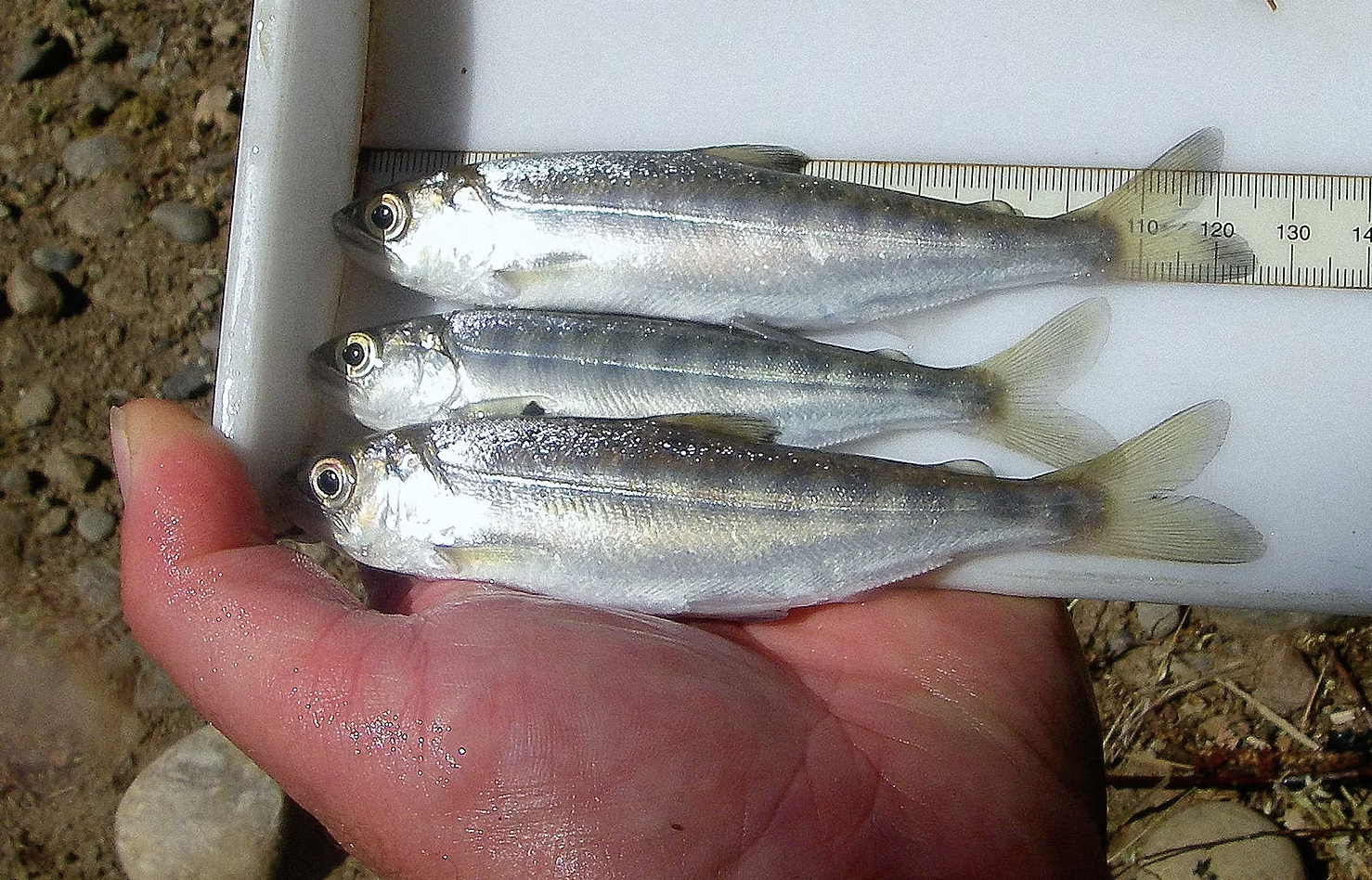
Parentage-Based Tagging (PBT) is a, non-lethal genetic technology that involves sampling and genotyping hatchery broodstock (parents) to create a DNA database, allowing nearly 100% of their offspring to be identified. This method accurately identifies hatchery-origin Chinook salmon, their age, and natal hatchery. PBT is crucial for evaluating juvenile fry release, estimating wild production, and improving fisheries management in the Pacific Northwest and California, often bypassing the limitations of physical tags.
The SRSP’s Science Subcommittee has been charged with hosting a series of science sharing presentations focused on parentage based tagging (PBT). The goals of these presentations include:
-
Develop a shared understanding of PBT among a variety of audiences including scientists, field technicians, fishermen, water users, agency staff, and NGOs.
-
Develop a shared understanding PBT as a tool that can be used to meet a range of objectives using lessons learned from other regions and applications.
Presentation Recordings: Learn more about PBT
-
9/4/25: Unifying Salmon Monitoring Through Genetic Intelligence, Scott Blankenship, Cramer Fish Sciences
-
9/4/25: Parentage-Based Tagging (PBT) and Potential Applications to California Chinook Harvest and Escapement Monitoring and Modeling, Will Satterthwaite, NOAA Southwest Fisheries Science Center
-
9/11/25: Fry as a Lost Life History Strategy, Stephanie Carlson, UC Berkeley
-
12/5/25: Tracking fish too small to tag: PBT at Coleman National Fish Hatchery – Christian Smith, USFWS
-
12/11/25: The Origins of PBT and its Applications in the California Central Valley, Carlos Garza, NOAA and Anthony Clemento, UC Santa Cruz
-
1/8/2026: Applying Parentage Methods to Detect Gravel Augmentation Effects on Juvenile Chinook Salmon Recruitment Rates, Scott Blankenship, Cramer Fish Sciences
-
1/22/2026: Monitoring Fall-run Chinook Salmon Life Stage Release Diversification Using Parentage Based Tagging Mike Brown, CDFW
-
3/12/2026: Genetic Monitoring of Salmonids in the Columbia River Basin, Shawn Narum, Jon Hess, and Rebekah Horn, Columbia River Inter-Tribal Fish Commission (CRITFC)